UW Students Join Seattle’s World Cup Public Health Response
For six weeks this summer, Seattle was a World Cup city. More than 750,000 visitors passed through the region to watch matches, filling stadiums, restaurants, and transit systems well beyond their usual capacity. It was also, without most fans ever noticing, a test of Seattle’s public health infrastructure.
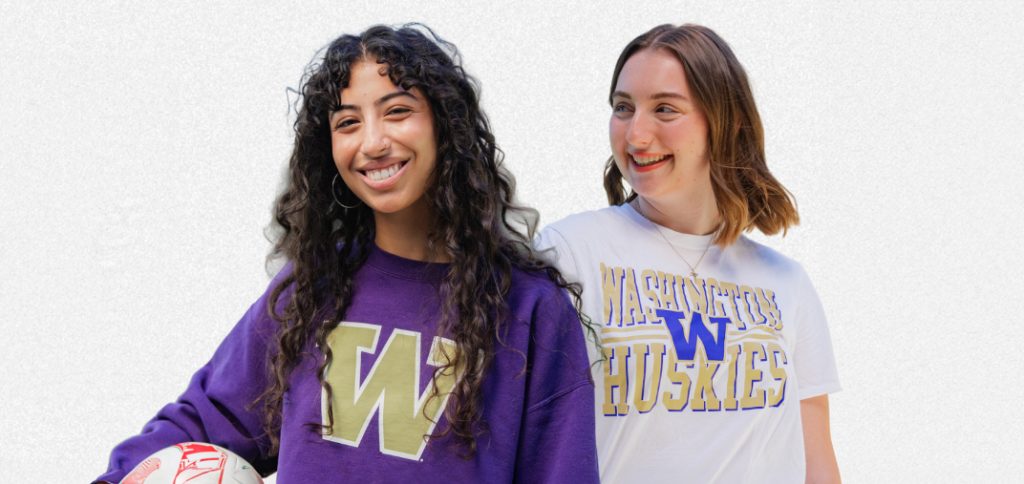
Earlier this month, the University of Washington podcast Health Cascades featured two students on the SEAL Team (Student Epidemic Action Leaders) about what it takes to keep visitors and locals safe during an event on the world stage. Maddie Ediger, a master’s student in the Department of Epidemiology, and Rahma Iqbal, a master’s student in the Department of Environmental & Occupational Health Sciences, shared what it was like to spend their internship working alongside Public Health – Seattle & King County health department during the tournament. Their work will carry on this summer, even after visitors return home, as they monitor for any continuous spread of diseases.
The SEAL Team pairs graduate students in the University of Washington School of Public Health with local and state health departments for hands-on epidemiology experience. “It’s taking what we are exposed to in our classes, and it’s all about applying it,” Ediger says. For graduate students interested in applied epidemiology, few practicum experiences offer the opportunity to contribute to public health during one of the world’s largest sporting events.
For many people, public health only becomes visible during a crisis. But the World Cup offered a glimpse of the other side of the profession: what it looks like when public health systems are working exactly as intended. Iqbal explains, “When you have health departments who are there in the background always doing this work, there’s processes already set in place that are there to catch these things while they’re happening.” Visitors could focus on the excitement of the matches instead of worrying about foodborne illness, disease outbreaks, or other preventable health threats. Fans from around the world could explore a new city, gather in packed public spaces, and create lasting memories because public health professionals were working behind the scenes to identify and respond to potential risks before they became larger problems.
Ediger shares that as a new professional, she also previously only knew public health during times of turmoil, but during her practicum in the SEAL Team she observed “people that are showing up every day, that are making this their life’s work, dedicating their entire life to keeping people healthy and safe.”
Behind that success were public health systems that had been built and strengthened long before the first match kicked off.
What Ediger and Iqbal describe is less a World Cup-specific response than an existing set of public health tools scaled up to meet a larger, more international crowd. Monitoring emergency department visits for symptoms or diagnoses that might signal a notifiable disease allowed the county to identify potential cases among visitors who had no local primary care provider and would likely seek care in an emergency department if they became ill. Foodborne illness reports came in through a public reporting system, and investigators followed up with phone interviews, piecing together shared meals and shared symptoms to identify potential outbreak clusters. Genomic sequencing added another layer of analysis. By comparing the genetic similarity of pathogens from cases of diseases like Shigella, investigators could link illnesses to a common source even when there was no obvious connection between the people who became sick.
Whether the information comes from self-reports, clinical records, or laboratory testing, each of these tools operates on a different timescale and draws from a different type of data. Together, they give epidemiologists a more complete picture of community health and multiple opportunities to detect and respond to potential outbreaks before they spread.
For Ediger, Iqbal, and the rest of the SEAL Team, the opportunity to work in the field with real stakes during a time of high visibility and high activity, was a unique training ground. As Ediger reflects, “We’re getting dropped into the middle of a massive public health response for a really big event happening on the world stage here in King County. And yet, I’m able to go in and learn new things and adapt and learn new skills on the fly and put into practice things that I’ve been learning . I can hold my own and contribute in a positive way.”
That combination of infrastructure built over years and expertise developed in real time helped keep our host city running smoothly behind the scenes while the games played out in front of a global audience.
To hear more about Maddie Ediger and Rahma Iqbal’s experiences on the SEAL Team, including what it was like to investigate disease outbreaks during the World Cup and how the experience shaped their view of public health, listen to the full episode of Health Cascades.